

In recent years, following the surge of the COVID-19 pandemic, pulse oximeters and various wearable devices with blood oxygen testing functions have gradually gained attention.
Whether it's medical-grade pulse oximeters or blood oxygen equipment used for sports detection and health monitoring, both can measure relevant data in a short amount of time. So, how exactly does a pulse oximeter work?
What is a pulse oximeter?
A pulse oximeter helps monitor blood oxygen concentration and is a non-invasive monitoring device.
Human blood oxygen levels are affected by factors such as atmospheric pressure, airway patency, anemia, and the ability of alveoli to exchange gases. Different blood oxygen measurement methods can also affect the accuracy of blood oxygen readings.
Common blood oxygen detection devices on the market include medical-grade pulse oximeters, smart bracelets, mobile phone apps, etc. Their operating principles will be briefly introduced below.
Operating Principle of Medical Pulse Oximeters
This is based on the physical phenomenon that the intensity change of transmitted light is modulated by the concentrations of oxyhemoglobin and deoxyhemoglobin.
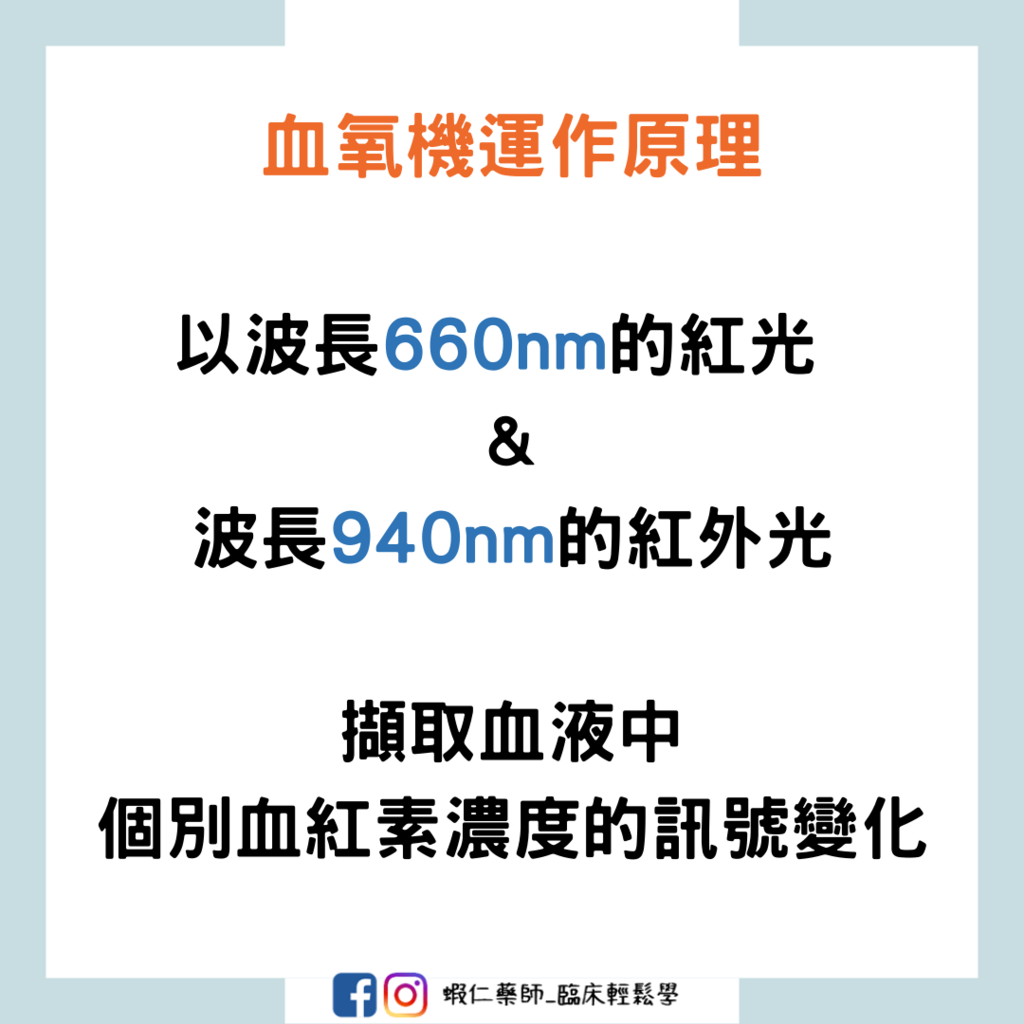
The instrument captures signals of individual concentration changes of oxyhemoglobin and deoxyhemoglobin in human blood. It then uses photoelectric conversion technology to obtain electrical signals of these two hemoglobins, and further calculates the blood oxygen concentration (SpO2) through ratio conversion or according to the defined formula for blood oxygen concentration.
The specific wavelength light source of a pulse oximeter consists of a transmitting semiconductor (red light at 660nm and infrared light at 940nm) and a phototransistor.
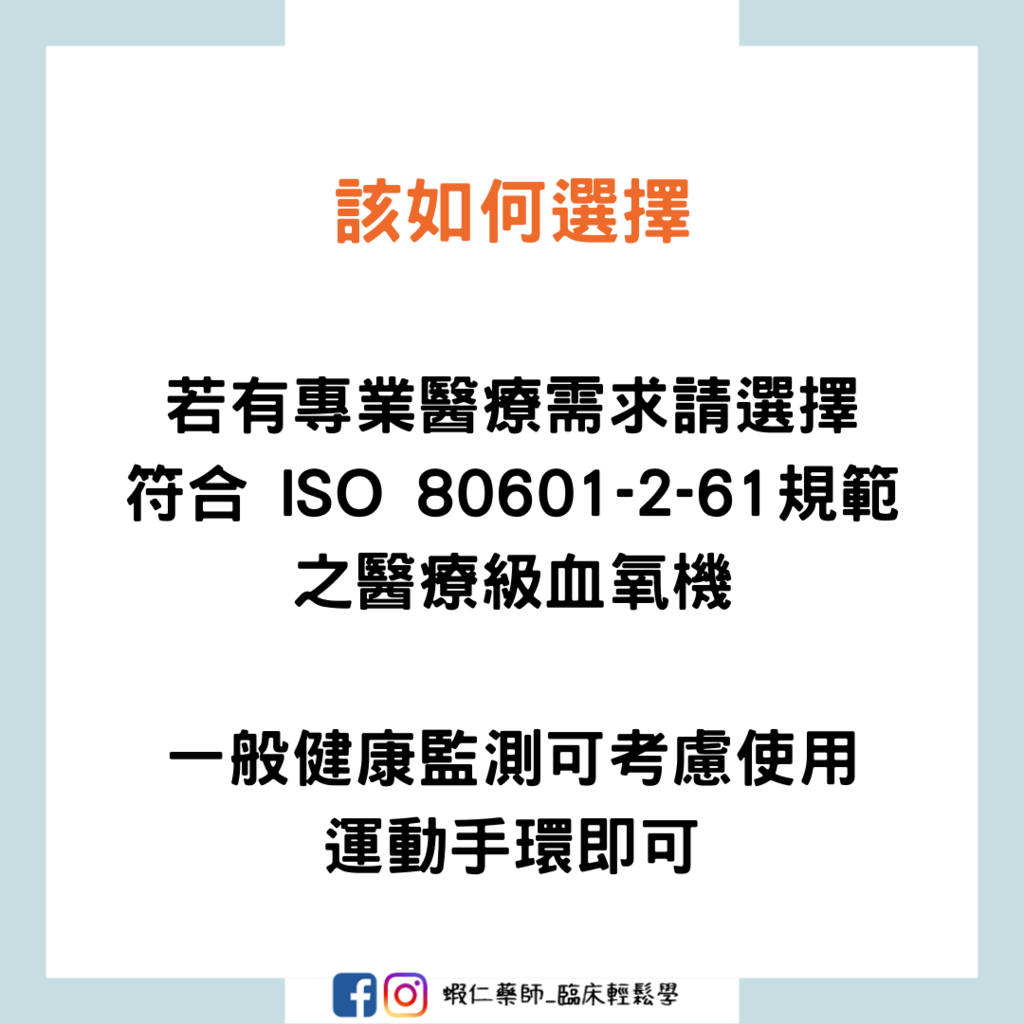
Medical pulse oximeters must comply with the ISO 80601-2-61:2017 standard.
They must be able to effectively distinguish blood oxygen concentrations between 70% and 100%.

However, in addition to medical pulse oximeters and blood tests,
many sports bracelets and blood oxygen apps have also appeared on the market. The main concern for everyone is whether these data are accurate.
How Wearable Devices or Apps Work
Taking blood oxygen apps as an example, cover the phone camera and flash with your index finger, and then use the camera to receive the pulsation of the capillaries in your finger.
The app uses Photoplethysmography (PPG) to record the pulse of the capillaries.
However, general mobile phones usually do not have infrared light sensors, so they cannot obtain the proportion of oxyhemoglobin like pulse oximeters. Therefore, most of these apps use algorithms to analyze the captured images to "simulate" the two wavelengths of a pulse oximeter.


How is SpO2 calculated?
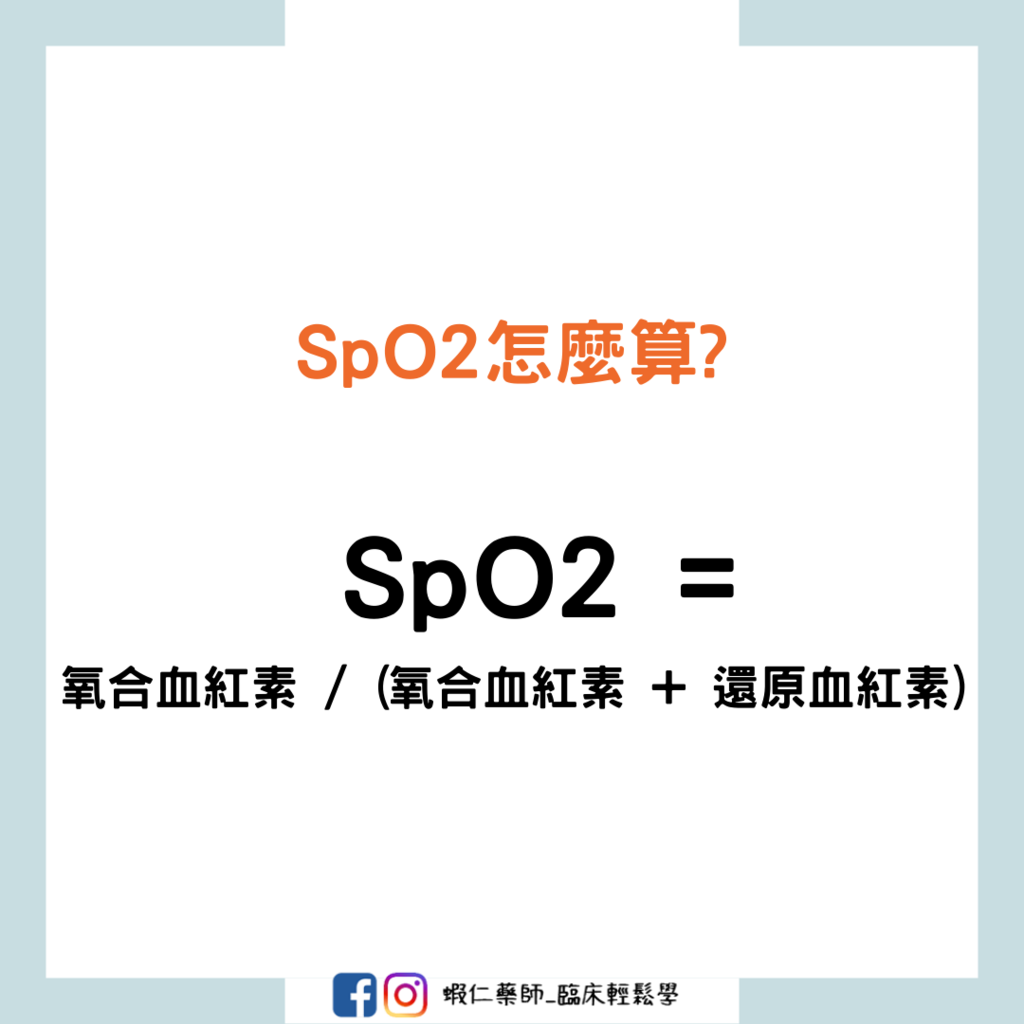

SpO2 refers to the peripheral capillary oxygen saturation, which uses the difference in light absorption between "oxyhemoglobin" and "deoxyhemoglobin".
The data is measured using red light with a wavelength of 660nm and infrared light with a wavelength of 940nm.
The formula for SpO2 is:
SpO2 = Oxyhemoglobin / (Oxyhemoglobin + Deoxyhemoglobin)
Theoretically, the oxygen content in the blood, whether during exercise or sleep, should remain relatively stable within the normal range of 95% to 99%.
If it falls below 95%, it may indicate hypoxia.
Currently, it is believed that the SpO2 of confirmed COVID-19 patients will drop rapidly once it falls below 94%.
Therefore, it is recommended that individuals with blood oxygen saturation below 94% contact medical personnel for assistance as soon as possible.
Precautions & Usage
Precautions
1. The sensor device must be installed correctly.
2. Avoid applying nail polish to the sensing area.
3. Pigmentation, poor circulation, and anemia may affect test results.
Usage Steps
1. Before use, please confirm that the pulse oximeter is a qualified domestic medical device with a license number, and read the instructions carefully.
2. It is recommended to monitor 3 times a day at regular intervals.
3. When measuring, you should be indoors, resting and breathing calmly, and use your index or middle finger to measure. Your hand should be relaxed and placed flat on the table. A strong pulse waveform signal is required for reliable measurements.
4. The measurement time is 30 to 60 seconds, and wait for the screen to display the blood oxygen concentration (SpO2).

https://vocus.cc/article/64f7f028fd8978000192c7ca